Three Mountains Sangha Founders
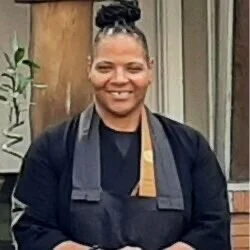
Fusatsu Apriel JessupSearcy
Fusatsu (Apriel Jessup Searcy) has been a nurse for 29 years and furthered her education in Health Information Technology in 2005, integrating clinical care, systems-based thinking, and compassionate service. Her professional life reflects a commitment to care that is practical, ethical, and deeply human.
Raised Southern Baptist, Fusatsu has been a spiritual seeker throughout her life. Over time, she found that Buddhism resonated most deeply with her understanding of the path and the lived experience of everyday life. She began her formal Buddhist practice in 2005 and continues to study, explore, and practice in service to the sangha with curiosity, humility, and devotion.
As her practice matured, Fusatsu was also drawn to the ethical grounding and communal wisdom of Kwanzaa, particularly the Nguzo Saba, which emphasizes collective responsibility, purpose, and care for future generations. Taoist teachings further shaped her path, offering balance, gentleness, and trust in the natural unfolding of life. Together, these three traditions inform her approach to practice, leadership, and daily living—rooted without rigidity, reflective without withdrawal, and active without exhaustion.
In 2024, she co-founded Three Mountains Zen (TMZ) with Rev. John Karn, an Atlanta-based lay Zen Buddhist sitting group. Three Mountains Zen engages in collaborative study and practice through spiritual friendship with the Sanshin Zen Community in Bloomington, Indiana, honoring lineage while cultivating an accessible, ethically grounded sangha life.
Fusatsu lives in Conyers, a suburb of Atlanta, Georgia, with her wife of 23 years, Phenix, along with their dog and cats. Their daughter lives in Seattle, a place they visit often for good company, meaningful connections, and time in the mountains.
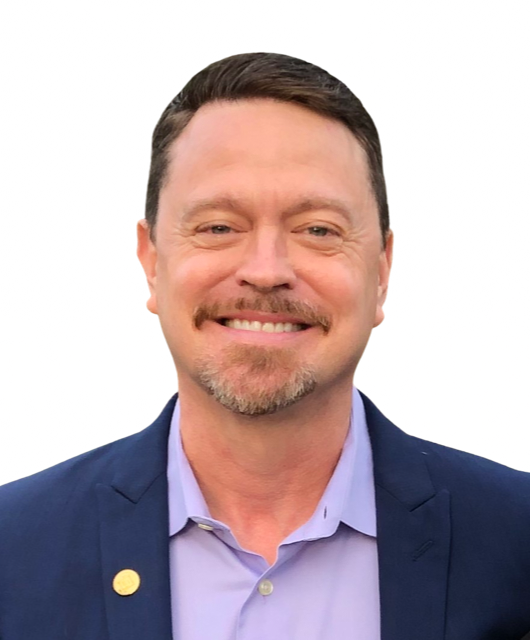
Rev. Dr. John Karn
Rev. Dr. John Karn is an ordained Religious Science minister and a teacher of Science of Mind (SOM) principles, offering instruction both in person and via Zoom. He serves on the faculty of Emerson Theological Institute, where he also sits on the Advisory Board. Dr. Karn holds a second Doctorate in Divinity and is a CPE-certified hospice chaplain through the Centers for Spiritual Living (CSL), as well as a licensed Religious Science practitioner.
With a long and varied history in New Thought and Eastern spiritual traditions, Dr. Karn brings a depth of experience that integrates contemplative practice, pastoral care, and practical spirituality. His work is grounded in service, education, and spiritual accompaniment across diverse communities.
Founder’s Statement
Three Mountains Way arose from lived practice, not theory. Zen Buddhism teaches us how to sit still inside our own minds and lives— to meet reality without turning away, and to trust practice even when clarity is absent.
Kwanzaa gives that stillness moral direction. It reminds us that awakening without ethics is incomplete, that spirituality must serve people, culture, and community— not just personal peace.
Taoism teaches us how to breathe again. How to move with the seasons, how to act without forcing, and how to honor energy, rest, and natural limits.
Zen Buddhism grounds Kwanzaa in lived practice, presence, and embodiment. Kwanzaa brings Zen into communal life, ethical action, and shared responsibility.
Taoism offers ease, balance, and natural flow, softening effort and inviting sustainability.
Like three mountains standing side by side— distinct, rooted, and shaped by different forces— these traditions create a landscape where life can flourish.Three Mountains Way is not about mastery. It is about showing up. Returning again and again to breath, ethics, and balance.This path exists so that spiritual practice may be lived— in our bodies, in our communities, and across the changing seasons of our lives.
These traditions are held in respectful dialogue, not blended into sameness, but practiced side by side as complementary paths toward ethical living, embodied wisdom, and communal care.